
HEADS Conference – Impact of Trauma / ACE’s in the Early Years of a Child or Young Person’s Life (linked to SEN)
Date: 22nd May 2026
Times: 9.15am – 3.30pm – arrive 8.45am – for refreshments
Venue: Crowne Plaza Hotel, Newcastle upon Tyne
Speaker: Dr Margot Sunderland
HEADS Training in partnership with Hadrian School are running a fantastic training opportunity on the 22nd May 2026. Join us at the Crowne Plaza Hotel, Newcastle with Dr Margot Sunderland and learn more about the impact of Trauma on young people with SEN.
Conference Aims:
Aim 1: Deepen understanding of how trauma and ACEs affect the developing brain
To help education staff gain a clear, neuroscience-based understanding of how early trauma, chronic stress, and attachment disruption impact the emotional, cognitive, and social development of children and young people with SEN.
Aim 2: Equip staff with trauma-informed perspectives for SEN practice
To ensure delegates understand how trauma interacts with special educational needs—often intensifying learning difficulties, behavioural challenges, and emotional dysregulation—and how schools can respond with compassion, empathy and understanding
Aim 3: Improve adult capacity for therapeutic, relational support
To show educators how their own emotional regulation, attunement, and relational warmth can become powerful tools for helping traumatised children and young people feel safe enough to learn.
Aim 4: Promote whole-school, trauma-informed approaches
To encourage leaders and practitioners to embed trauma-aware policies, consistent nurturing practices, and emotionally literate responses across school systems.
Conference Objectives:
By the end of the conference, participants should be able to
- Identify signs of trauma in children with SEN
- Recognise behaviours linked to hyperarousal, shutdown, and fearful avoidance.
- Distinguish trauma responses from behavioural “choices” or SEN-only presentations.
- Explain the neuroscience behind trauma and ACEs
- Understand the role of the amygdala, prefrontal cortex, stress hormones, and the “threat brain” described in Margot Sunderland’s work.
- Describe how trauma impacts attention, memory, emotional regulation, and social functioning.
- Understand how trauma and SEN needs interact
- Describe why children and young people with Autism, ADHD, speech/language difficulties, learning disabilities, or sensory processing differences may experience trauma differently.
- Understand the increased vulnerability of children with SEN to experiencing ACEs.
- Apply relational, therapeutic responses in classrooms
- Use co-regulation strategies such as attunement, naming feelings, rhythm, and sensory soothing.
- Respond to distressed behaviour with curiosity and empathy rather than control or punishment.
- Build emotionally containing learning environments
- Use routines, predictability, and relational safety to support traumatised children.
- Understand the importance of “emotional holding,” nurture principles, and calm communication.
- Support recovery and resilience
- Facilitate play-based and relational interventions shown to support healing.
- Understand how consistent, attuned relationships rebuild the child’s sense of safety.
- Collaborate effectively with families and external professionals
- Communicate trauma-informed insights to parents and support networks.
- Know when and how to refer for therapeutic services (e.g., play therapy, counselling).
- Reflect on staff wellbeing and emotional resilience
- Recognise the impact of secondary trauma on educators.
- Learn self-care and reflective practice strategies to sustain trauma-informed approaches.
Dr Margot Sunderland
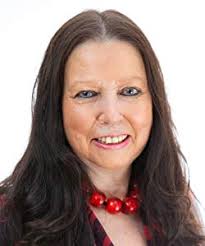
Senior Associate of the Royal College of Medicine and Child Psychotherapist with over thirty years’ experience of working with children and families. Author of over twenty books in child mental health, which collectively have been translated into eighteen languages and published in twenty-five countries. ‘What Every Parent Needs to Know’ won First Prize in the British Medical Association Medical Book awards 2007 (Popular Medicine section) and was voted one of the top brain books of our time by The Dana Foundation. Co- Founding Director of the Higher Education College, The Institute for Arts in Therapy and Education (academic partner of Univeristy of East London) which runs Masters degree courses and Diplomas in Arts Psychotherapy, Adolescent Therapy, Child Counselling and Parent-Child Therapy. Founder of the ‘Helping Where it Hurts’ programme which offers free arts therapy to troubled children in Islington Primary schools.
https://www.childmentalhealthcentre.org/dr-margot-sunderland
Booking Information
If you would like to book a place on our Conference please email:
daniel.coffey@hadrian.newcastle.sch.uk or david.palmer@hadrian.newcastle.sch.uk
You can also call 0191 273 4440
The price of the Conference is £195 plus VAT per delegate, or we are offering an ‘early bird’ discount – 2 places for £300 plus VAT (Quote HEADS26 ON BOOKING) – valid until 15th March 2026.
